
A versatile microscope for all contrast techniques and excellent image quality, with unlimited expansion possibilities.
I haven’t updated my blog for a couple years now as I’ve been studying in Finland my Master’s in Biomedical Imaging at the University of Turku.
It’s been about one year since I had the luck to win a lucky auction off Ebay for a Zeiss Axiovert 135 inverted microscope with a lot of nice extras, but no optics.
Since then I’ve been gathering all its original parts and some of the best optics on the second hand market.
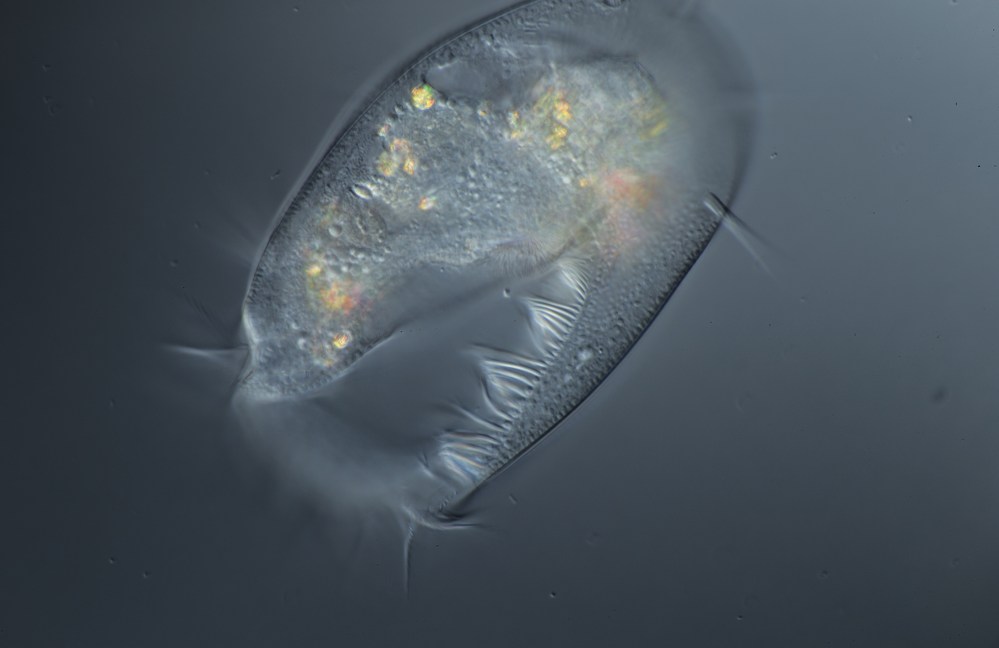
This scope is now almost complete and is my actual workhorse, offering excellent image quality and all the possible contrast techniques: phase contrast, DIC, fluorescence, darkfield.
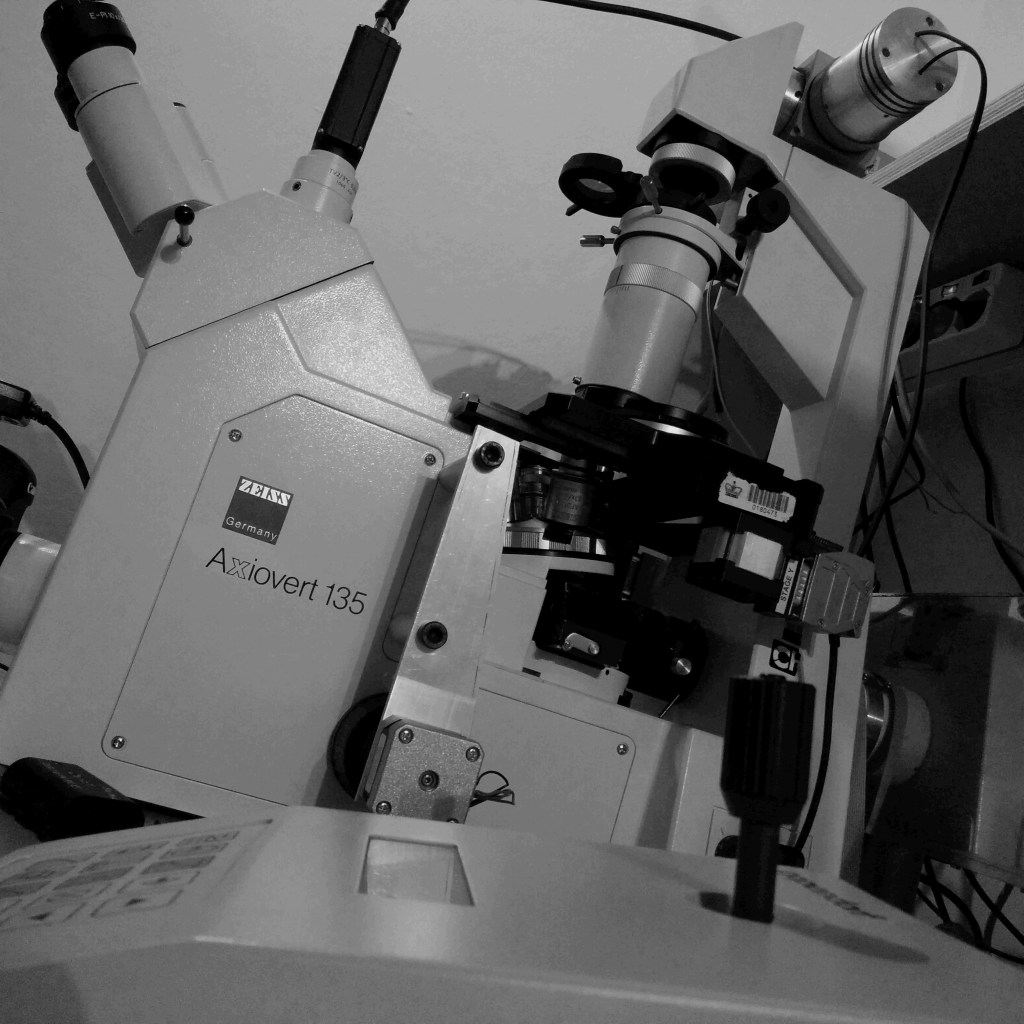
General features
The Zeiss Axiovert 135 has both a transmitted and reflected light path, the latter for epifluorescence. It can use its own HBO, XBO and Halogen lamps, but I have updated it to LEDs as soon as I got it.
The turret can host 5 RMS objectives with their DIC sliders.
The trinocular head can mount 1x and 0.63x c-mount adapters and the frontal port is designed for 35mm cameras, making it perfect for modern full frames. I’m now using a Canon 6D on it.
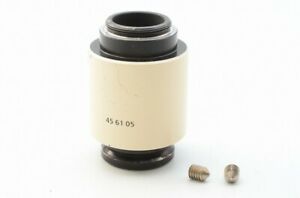
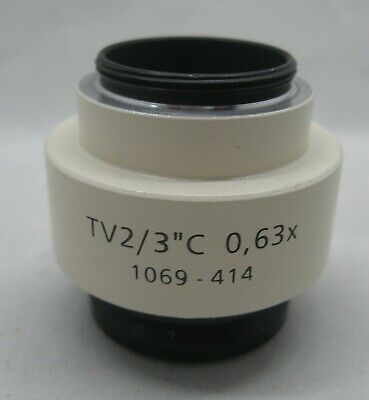
The microscope came with its long working distance 0.55 NA phase contrast/DIC condenser but, with the proper condenser attachment, it’s possible to mount 42mm dovetail condensers, like the ones used in the old Photomics, Universal, Standard and IM35 microscopes. This includes phase contrast and darkfield condensers.
The high NA (1.4) DIC/ph condenser designed for this microscope is extremely rare, but I had the luck to find it on Ebay, with the DIC prism for NA>0.5 objectives. I guess some other DIC prisms/condensers can be used, as long as they can be coupled with the objectives DIC sliders as designed by Zeiss. Old DIC condensers for Universal, Photomic, Standard, gave decent DIC in some tests I did before getting its own condenser. The long working distance condenser also gives DIC, but resolution is limited to 0.55 NA.
You can download Zeiss Axiovert 135 manual, containing all the possible parts and expansions here.
Stage compatibility
The Zeiss Axiovert stage mounts are compatible with the old Zeiss IM35 stages.
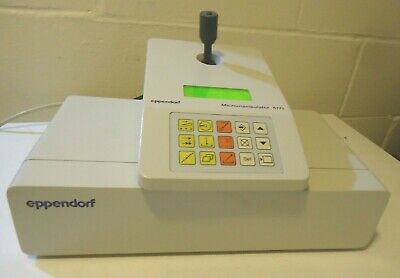
A motorized stage was installed on my Axiovert and controlled with an Eppendorf Micromanipulator 5171, a control unit which can precisely control up to three standard stepper motors with its joystick and can be found for accessible price on Ebay.
This control unit allows for precise control of the movement, microsteps, speed adjustment and position memory.
Microphotography setup
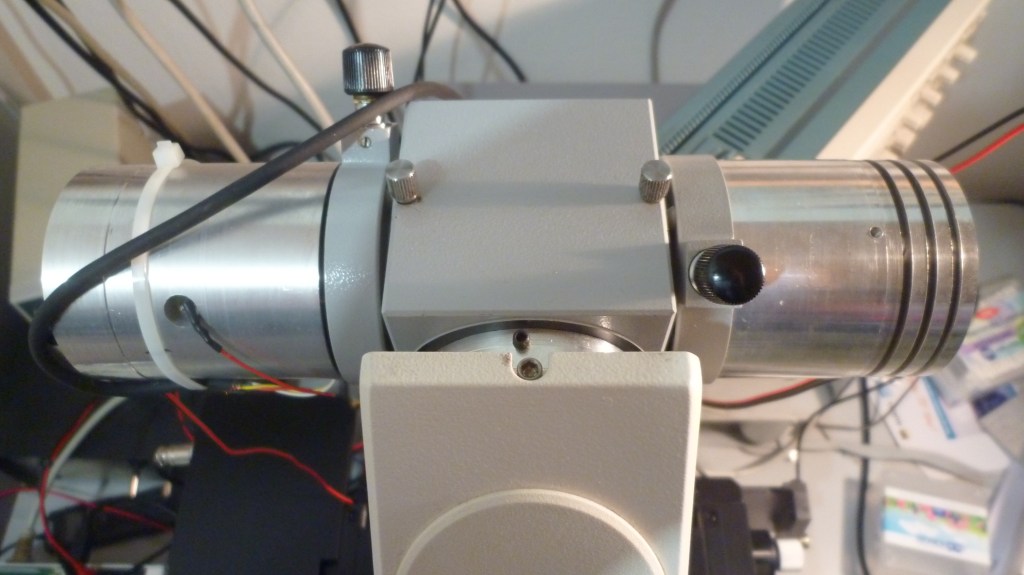
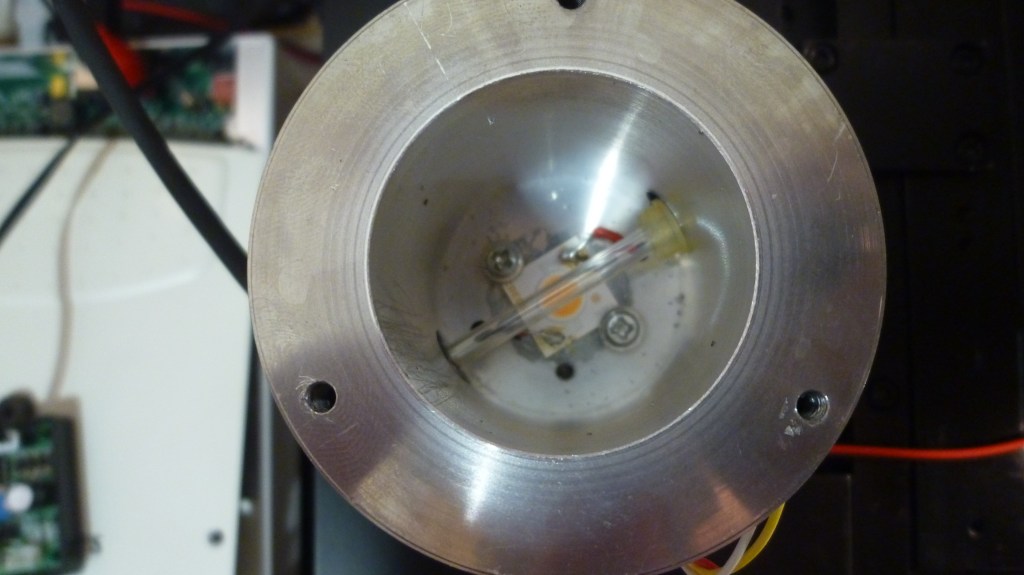
The Canon 6D fullframe camera is coupled to a flash for freezing the fast moving water critters. The flash filament lamp was removed from its housing in the flash and placed in a custom-made illumination unit. Behind the flash light, a LED is used as a guide light. In addition, a single led illumination was attached to a splitter cube which allows to select between the flash illuminator and the standard LED.
Fluorescence
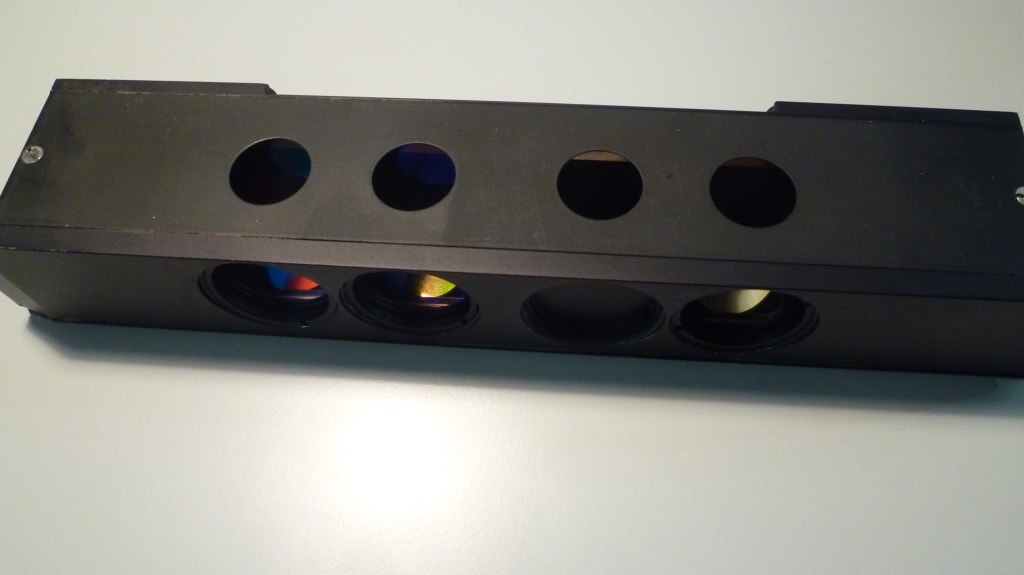
The Zeiss Axiovert has a filter slider which can hold 3 filter sets in the basic version. I found a 4 sets slider which now holds the DIC analyzer in one spot and three filter sets in the others.
As illumination source, monochrome LEDs can be easily used for high power excitation.
+
Objectives
The Axiovert 135 mounts any RMS infinity-corrected Zeiss objective. With RMS to M27, it could also hold M27 objectives.
The choice is wide, from basic achromats to neofluar and planapos and for my setup I’ve been looking for second hand plan apochromat objectives with the highest possible numerical aperture.
This includes:
- plan-apochromat 20x/0.8 + DIC slider
- plan-apochromat 40x/1.0 Ph oil + DIC slider (slider for plan-apo 63x works great with this)
- plan-neofluar 40x/0.90 Ph multi-imm + DIC slider (slider for plan-neofluar 40x works great with this)
- plan-apochromat 63x/1.4 oil + DIC slider
- plan-apochromat 100x/1.4 oil + DIC slider (slider for plan-apo 63x works great with this)
- plan-neofluar 100x/1.30 oil + DIC slider
Depending on sample’s immersion medium, it might be useful to have water immersion objectives for best performance.
Future projects
An infinity corrected microscope with high optical quality like the Axiovert 135 will open up new possible expansion projects.
The microscope will be used for future projects like:
- structured illumination with a digital mirror device (DMD)
- laser scanning confocal microscope
 Need for Science